A Complete Guide for Homeowners in Kerala
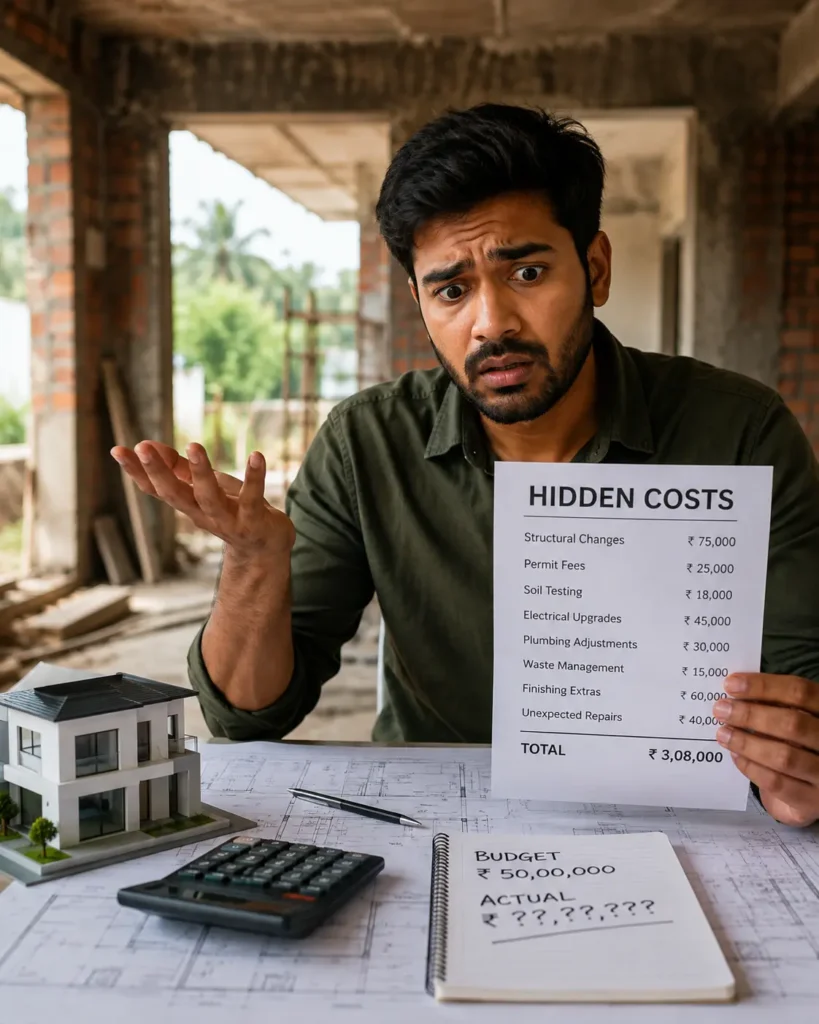
Building your dream home is one of the biggest investments you’ll ever make. While most people calculate the cost of land, construction materials, and labor, many overlook several hidden expenses that can significantly increase the overall budget.
These unexpected costs often catch homeowners by surprise, leading to delays, financial stress, and compromises in quality. The good news? With proper planning and guidance from an experienced builder, you can avoid most of these surprises.
Let’s look at the 10 hidden costs nobody tells you about when building a house.
1. Soil Testing Costs
Many homeowners skip soil testing to save money, but this can become one of the costliest mistakes.
A soil test determines the soil’s bearing capacity and helps engineers design the right type of foundation. If weak soil is discovered after construction begins, foundation costs can increase dramatically.
Why it matters:
- Prevents foundation failure
- Ensures structural safety
- Avoids expensive redesigns later
Pro Tip: Spending a small amount on a professional soil test can save lakhs in future repairs.
2. Site Preparation and Land Leveling
Even if you’ve purchased a plot, it may not be ready for construction.
Additional work may include:
- Clearing trees and bushes
- Removing rocks
- Land filling
- Excavation
- Leveling uneven terrain
These costs are often overlooked during initial budgeting.
3. Government Approvals and Permit Fees
Before construction starts, you’ll need several approvals depending on your location.
Common expenses include:
- Building permit fees
- Municipality or Panchayat approvals
- Survey charges
- Documentation expenses
- Plan approval charges
Many homeowners forget to include these administrative costs.
4. Temporary Electricity and Water Connections
Construction requires electricity and water long before the house is completed.
You may need to pay for:
- Temporary electrical connection
- Water supply arrangements
- Generator rentals during power interruptions
These utility costs continue throughout the construction period.
5. Material Price Fluctuations
The prices of cement, steel, sand, bricks, and other materials can change unexpectedly.
Even a small increase in steel or cement prices can add a significant amount to your total construction cost.
Working with an experienced builder who plans purchases efficiently can help minimize this risk.
6. Interior Works
Many people budget only for the structure and forget the interiors.
Hidden interior costs include:
- Modular kitchen
- Wardrobes
- False ceiling
- Lighting fixtures
- Curtains
- Mirrors
- Bathroom accessories
- Interior painting upgrades
These expenses can represent a substantial part of the final budget.
7. Compound Wall, Gate, and Landscaping
After moving into the house, homeowners often realize they still need to complete the exterior.
Additional expenses include:
- Compound wall
- Entrance gate
- Paving blocks
- Driveway
- Garden landscaping
- Outdoor lighting
These features are essential but frequently left out of the initial estimate.
8. Waterproofing and Drainage
Proper waterproofing is crucial, especially in Kerala’s heavy monsoon climate.
Ignoring waterproofing can lead to:
- Roof leakage
- Damp walls
- Mold growth
- Costly repairs in the future
Similarly, proper drainage systems help prevent waterlogging around your home.
9. Furniture and Home Appliances
Once construction is complete, you’ll still need to furnish your home.
Common expenses include:
- Beds
- Sofas
- Dining table
- Air conditioners
- Refrigerator
- Washing machine
- Television
- Kitchen appliances
These costs are often underestimated.
10. Contingency Expenses
No construction project is completely free from unexpected expenses.
Examples include:
- Design changes
- Additional electrical points
- Plumbing modifications
- Unexpected site conditions
- Weather-related delays
- Extra labor costs
Experts recommend setting aside 5–10% of your total budget as a contingency fund.
How to Avoid Hidden Construction Costs
Here are a few practical tips:
✅ Conduct a soil test before construction.
✅ Choose an experienced and transparent builder.
✅ Request a detailed cost estimate before signing the agreement.
✅ Include approvals, interiors, and landscaping in your budget.
✅ Keep a contingency reserve for unexpected expenses.
✅ Avoid frequent design changes once construction begins.
Why Choosing the Right Builder Makes a Difference
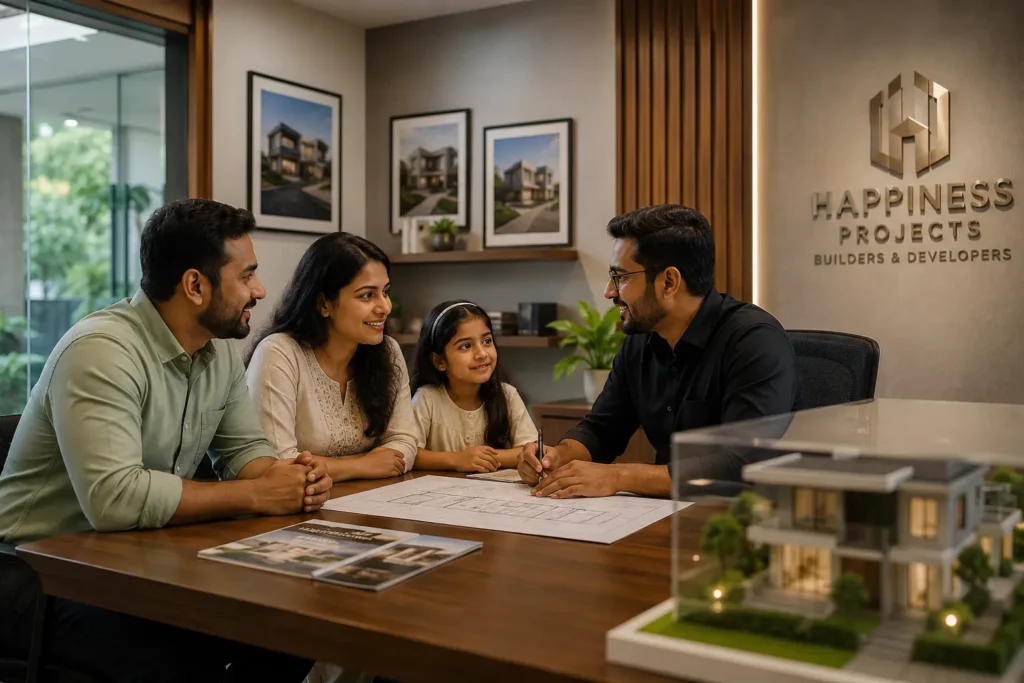
A professional builder doesn’t just construct your home—they help you plan your budget realistically.
An experienced construction company can:
- Provide transparent pricing
- Recommend cost-effective solutions
- Minimize unexpected expenses
- Maintain construction quality
- Complete projects on schedule
This gives homeowners greater peace of mind throughout the construction journey.
Final Thoughts
Building a home is more than just bricks and concrete—it’s about careful planning, informed decisions, and preparing for costs that aren’t always obvious.
By understanding these 10 hidden costs, you can create a more accurate budget, avoid unpleasant surprises, and enjoy a smoother construction experience.
A well-planned project today can save you significant time, money, and stress tomorrow.
Leave a Reply